
Cushing’s disease is a common endocrine disorder in dogs, especially among seniors. It’s caused by an overproduction of cortisol, a hormone that regulates stress and metabolism. While the condition isn’t immediately life-threatening, it can affect your dog’s quality of life and longevity if left untreated.
Key Summary:
- Life expectancy: Dogs with Cushing’s disease can live 2-4 years post-diagnosis with proper treatment.
- Elderly dogs: Older dogs are more susceptible to complications due to age-related issues.
- Treatment options: Medications, surgery, lifestyle changes, and natural supplements like lignans can help manage symptoms.
- Natural support: Lignans can help lower cortisol levels and improve overall health.
What Is Cushing’s Disease in Dogs?
Cushing’s disease, or hyperadrenocorticism, happens when a dog’s adrenal glands produce too much cortisol. It typically affects middle-aged to senior dogs. The two most common types are:
- Pituitary-dependent Cushing’s: Caused by a benign tumor on the pituitary gland (about 80-85% of cases).
- Adrenal-dependent Cushing’s: Caused by a tumor on the adrenal gland.
Life Expectancy for Dogs With Cushing’s Disease
The life expectancy of dogs with Cushing’s disease largely depends on their age, overall health, and treatment plan. Here’s what the data shows:
- With proper treatment, dogs can live 2-4 years after diagnosis.
- Dogs with untreated Cushing’s typically have a shorter life expectancy due to complications like diabetes, infections, or heart issues.
- Early detection and management significantly improve longevity.
Cushing’s Disease in Elderly Dogs: What to Expect
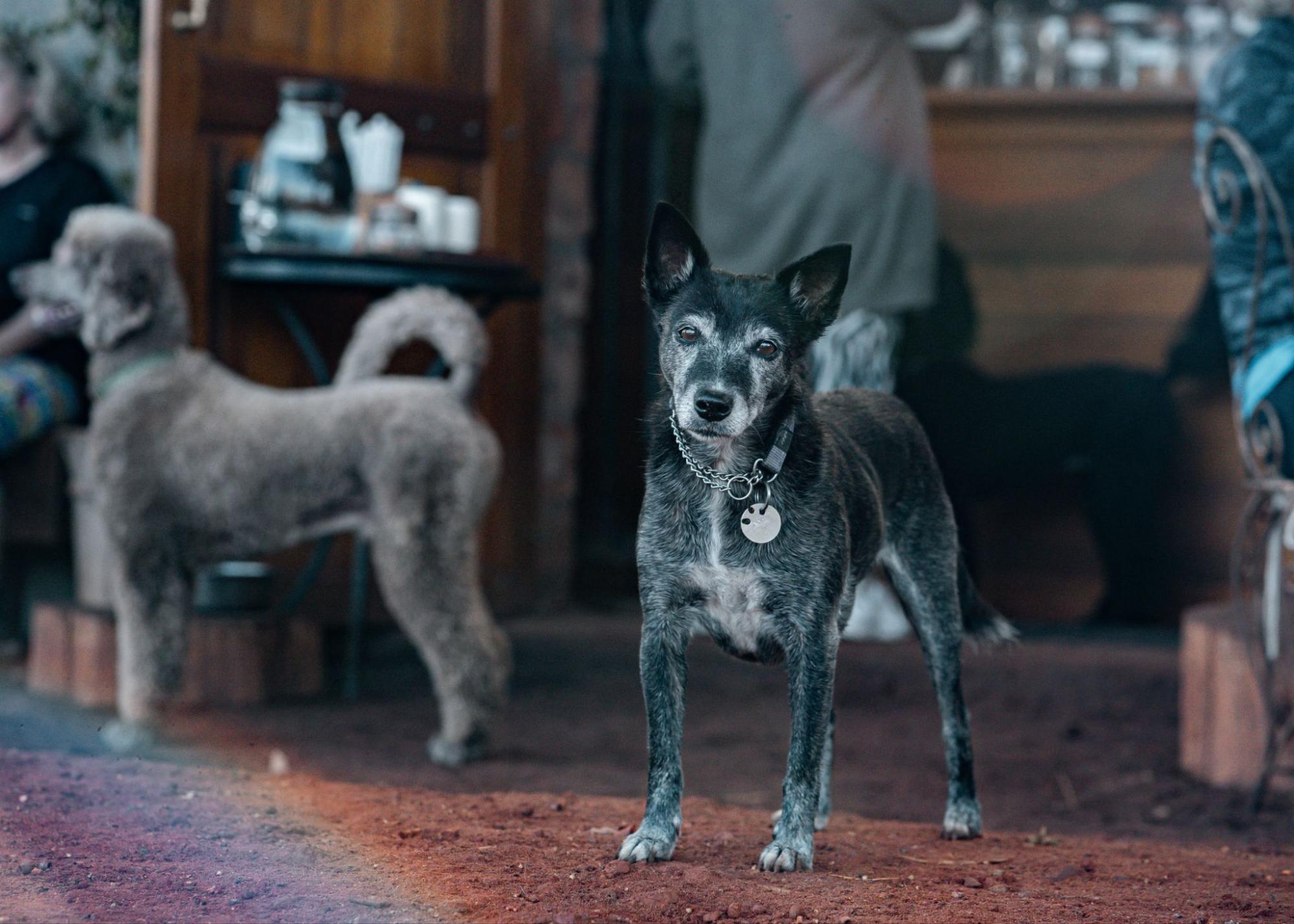
Senior dogs (ages 10 and up) are more prone to complications from Cushing’s disease. Common symptoms include:
- Increased thirst and urination
- Lethargy and weakness
- Hair loss and thinning skin
- Pot-bellied appearance
Because elderly dogs are already more vulnerable to health issues like arthritis or kidney disease, Cushing’s can worsen these conditions. Regular check-ups and close monitoring become crucial for managing their quality of life.
Treatment for Cushing’s Disease in Senior Dogs
There’s no cure for Cushing’s disease, but treatments can help control symptoms and improve life expectancy. Options include:
1. Medications
- Trilostane (Vetoryl): The most common medication, it helps regulate cortisol production.
- Mitotane (Lysodren): Used less frequently due to stronger side effects.
2. Surgery
- Surgery may be an option for adrenal tumors but is risky for senior dogs due to anesthesia complications.
3. Lifestyle Changes
- Special diets to manage weight and cortisol levels
- Low-impact exercises tailored to the dog’s age and condition
- Regular vet visits to adjust treatment as needed
The Benefits of Lignans in Cushing’s Disease
Lignans are natural compounds found in plants like flaxseed and sesame. They are known for their ability to balance hormones and reduce cortisol levels. Here’s why they’re beneficial for dogs with Cushing’s disease:
- Cortisol regulation: Lignans can help lower cortisol levels naturally, reducing symptoms.
- Antioxidant properties: They help combat oxidative stress, which is often higher in dogs with Cushing’s.
- Improved quality of life: Lignans can reduce excessive thirst, hair loss, and fatigue associated with Cushing’s disease.
Lignans are typically used as a complementary therapy alongside medications. Always consult with your vet before introducing any new supplement.
Frequently Asked Questions
How long can a senior dog live with Cushing’s disease?
With proper treatment, senior dogs can live 2-4 years after diagnosis, sometimes longer if the condition is well-managed.
Is Cushing’s disease painful for dogs?
Cushing’s isn’t directly painful, but symptoms like muscle weakness, fatigue, and complications from other conditions can cause discomfort.
Can Cushing’s disease in dogs be cured?
There’s no cure for pituitary-dependent Cushing’s disease, but adrenal-dependent Cushing’s caused by a tumor can sometimes be resolved with surgery.
Are natural treatments like lignans enough to treat Cushing’s?
Lignans can help manage symptoms but are usually used alongside conventional treatments like medications. Always consult your vet for the best treatment plan.
When should I consider euthanasia for my dog with Cushing’s disease?
If your dog is experiencing severe pain, chronic discomfort, or a significant decline in quality of life, it might be time to discuss euthanasia with your vet.
Final Thoughts
Cushing’s disease isn’t a death sentence for dogs—especially with early diagnosis and proper treatment. While elderly dogs face more challenges, many continue to live happy, comfortable lives for years after their diagnosis. Natural supplements like lignans, combined with medications and lifestyle adjustments, can help improve life expectancy and overall well-being.


Vet Recommended Cushing’s Treatments | Cushing's In Dogs
March 12, 2025[…] proper treatment, many dogs with Cushing’s disease can live happy, fulfilling lives. Understanding Cushing’s disease in dogs’ life expectancy is crucial for setting realistic expectations and planning long-term […]
www.xmc.pl
May 12, 2025This piece is like a gentle embrace — comforting, sincere, and profoundly human.
Joy j Zinram
March 7, 2026How do we find where to get lgnanS
Cushings in Dogs
April 25, 2026You can get both HMR lignans and Flaxseed lignans at http://www.lignans.com
What Are the Final Stages of Cushing’s Disease in Dogs?
May 13, 2025[…] life, struggles with basic functions, or is in constant discomfort, consult your vet. Understanding Cushing’s disease in dogs life expectancy may help you prepare emotionally and practically for this […]
Brenda White
October 5, 2025I am at a loss as to what to do about our dog Chelsea Marie. She was diagnosed with Cusings about 3 or 4 years ago. She is part label. But her little body has just deteriorated and continues too. She does dring tons of water and some days will eat ok but others like tonight she won’t touch her food. She has many tumors and also cancer. It is so hard watching her go downhill like she has been doing. She is a walking skeleton. Hardly any fat on her. Her ribs, hip bones just stick out
Tonight I had a terrible time getting her up to come eat.
But she went straight outside to pee and back inside to drink more water. She did not eat anything andcjust went to lay back down..She actually drinks from our toilets but we keep then very clean and make sure there is no residue from cleaning. We don’t use chemicals for cleaning but sometimes vinegar.. Also she is almost 15 yrs old. I don’t know what to do. I cry almost every single day
I feel it is
Cushings in Dogs
December 30, 2025We are so terribly sorry for the delayed response. How is Chelsea Marie doing? Is she on anything to assist with her diagnosis?
Elizabeth B Sabia
December 12, 2025My dog was just diagnosed when in for dental surgery he is 15. Poodle.
Cushings in Dogs
December 30, 2025Oh wow! We hope you can find some great resources and information on natural treatment to help treat this. Lignans and melatonin are a great option!
Rolanda Burgin
March 9, 2026My Westie Annie is 12.5 yrs old, she’s been on Trilostane for 2.5 months . The medication is awful, it does take her numbers down but also takes away her appetite and sleeps a lot . I want to try the Lignans am Melatonin she weighs 19/19.6 lbs how much should I give her . Which one of the Lignans should I use ?
Cushings in Dogs
April 25, 2026With lignans, you give 1-2mg per pound of body weight. You can give either HMR or Flaxseed lignans. With the melatonin, you’ll want to give 3mg every 12 hours.
G Farriss
July 20, 2026What is considered a senior dog? My doxie is 9 years old and has always been potbellied never the slim and trim baby. He has just been diagnosed with cushings. Because of his excessive panting. He drinks a lot but he has always drinks alot.
Cushings in Dogs
July 21, 2026On the senior question: small breeds like dachshunds age more slowly than large breeds, so most vets consider a doxie “senior” somewhere around 8–10 years. At 9 he’s right at the front edge of it — which is also the typical age range for a Cushing’s diagnosis. The detail that stands out to me is that he’s always been potbellied and never slim and trim. A potbellied appearance is one of the classic signs of Cushing’s, along with the excessive panting and heavy drinking you’re describing. That combination often means the disease was developing quietly for a good while before anyone had a reason to test for it. If you’re feeling like you should have caught it sooner — please don’t. It’s genuinely difficult to spot, because every individual sign looks like something else. Now that he has a diagnosis, the most useful things to work through with your vet are which type of Cushing’s he has (pituitary or adrenal — they’re treated differently), what the monitoring schedule looks like, and what to watch for between rechecks. Those answers will shape everything else.
Tricia hill
August 5, 2026Is excessive panting a sign of Cushings?
Cushings in Dogs
August 12, 2026Yes, it can certainly be a sign of Cushing’s Disease. Here’s one of our blog links that talks about some of the signs and symptoms. https://cushingsindogs.com/cushings-disease-symptoms-diagnosis-dogs/
Debbie Kotan
September 9, 2026My dog has Cushings and thyroid issues. Now it effecting her mobility. What food do you recommend to help with this condition
Cushing's In Dogs
September 11, 2026Hi Debbie,
I’m sorry to hear it — watching your girl lose her mobility is hard, and
managing two conditions at once makes everything more complicated.
Diet does matter for a dog with
Cushing’s, and it matters more when thyroid disease is in the picture too.
But I wouldn’t expect a food change on its own to do much for mobility, and
I’d hate for you to spend weeks on that while something more treatable goes
unlooked-at.
Here’s why. Mobility loss in a dog with Cushing’s often isn’t coming from the
joints at all. Elevated cortisol causes muscle loss and weakness, especially
in the back legs, and low thyroid brings its own weakness and stiffness. From
the outside that can look a lot like arthritis, but it needs very different
handling.
So the most useful thing you can do is ask your vet two questions at the next
visit: Is her Cushing’s currently well controlled, and when were her thyroid
levels last rechecked? The two conditions interact — uncontrolled Cushing’s
can push thyroid readings down and make a dog look hypothyroid when she isn’t
— so most vets want those results read together rather than separately.
Your vet can also tell you whether what you’re seeing is muscle weakness or
genuine joint pain. That distinction changes what will actually help her. If it is genuine joint pain, let us know and we can provide you with some recommendations to help.
I hope she’s more comfortable soon.