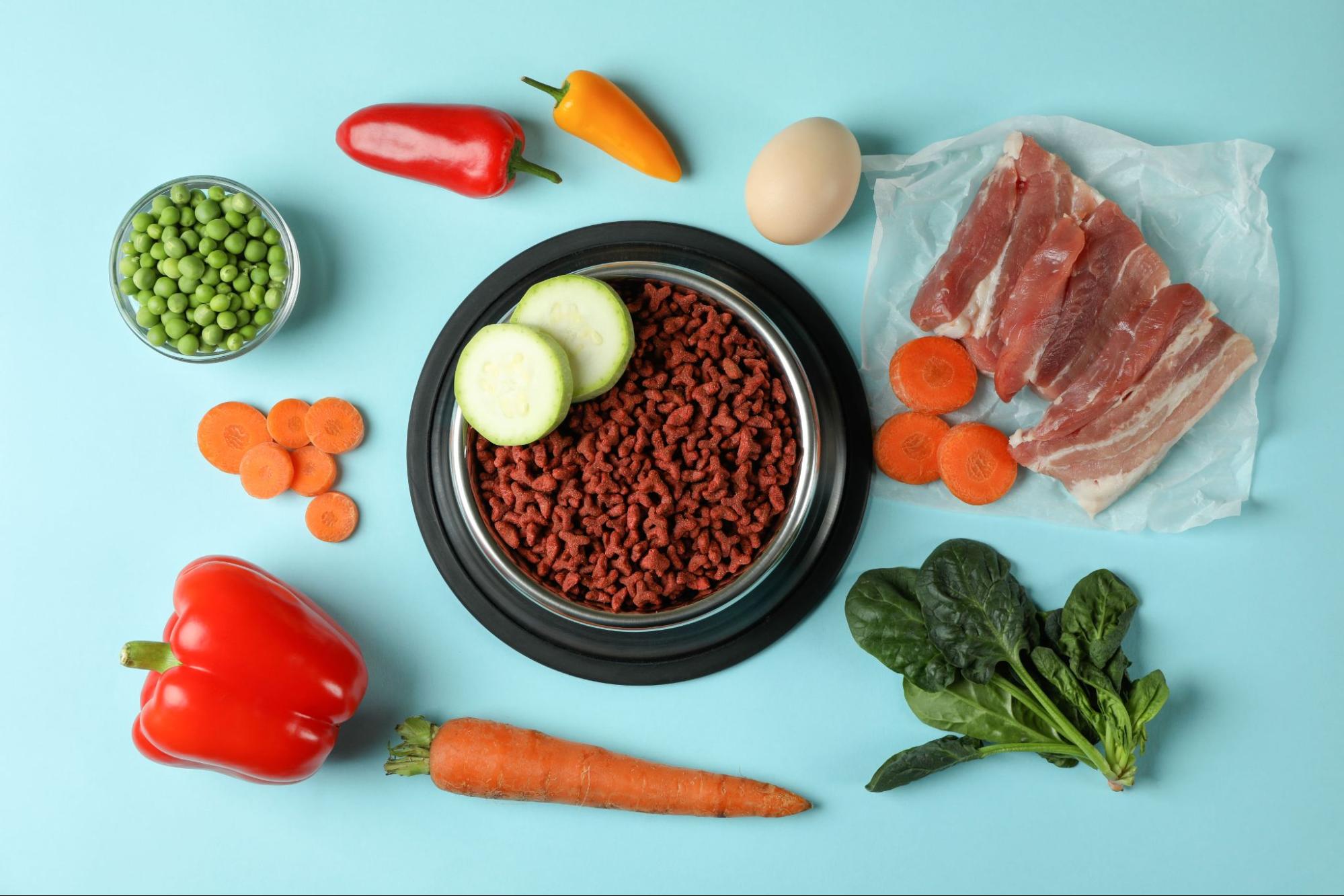
A dog diagnosed with Cushing’s disease requires a carefully managed diet to help alleviate symptoms and maintain their quality of life. Cushing’s disease, also known as hyperadrenocorticism, causes an overproduction of cortisol, which can affect a dog’s overall health. While medication and veterinary care are essential, the right diet can play a crucial role in managing the condition.
Key Summary:
- A balanced diet helps manage Cushing’s disease symptoms.
- Focus on low-fat, high-protein, and low-sodium foods.
- Include omega-3 fatty acids, antioxidants, and fiber.
- Avoid excessive carbs and processed foods.
- Consult your veterinarian to tailor the diet to your dog’s needs.
Understanding the Role of Diet in Cushing’s Disease
Cushing’s disease can lead to increased appetite, weight gain, muscle loss, and other metabolic changes. A carefully planned diet helps counteract these effects, supporting your dog’s overall health while working in tandem with medical treatments.
Key Dietary Goals:
- Manage Weight: Prevent obesity, a common issue in dogs with Cushing’s.
- Support Muscle Health: High-quality protein helps counteract muscle loss.
- Promote Heart and Kidney Health: Low sodium levels reduce strain on the organs.
- Boost Immune Function: Antioxidants and omega-3 fatty acids help combat inflammation.
Ideal Nutritional Components for Dogs with Cushing’s Disease
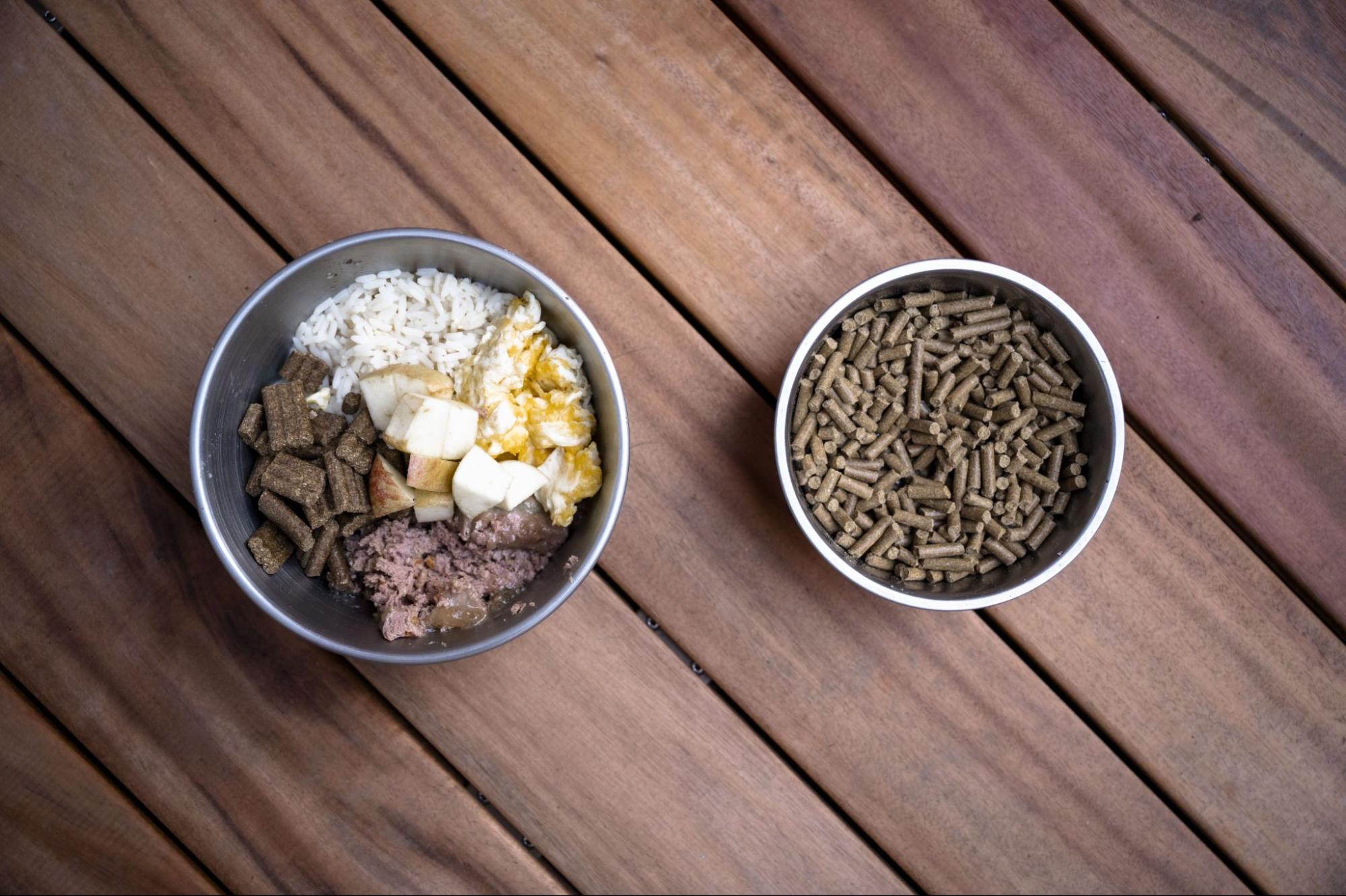
A diet tailored for dogs with Cushing’s should include specific nutrients and avoid problematic ingredients:
1. High-Quality Protein
- Dogs with Cushing’s often experience muscle wasting. Protein from lean meats, fish, and eggs can help.
- Examples: Chicken, turkey, whitefish, or cottage cheese.
2. Low Fat
- Cushing’s disease can lead to high cholesterol and triglycerides. Low-fat options help keep these levels in check.
- Examples: Skinless chicken breast or low-fat dog food formulas.
3. Low Sodium
- Sodium can exacerbate high blood pressure, common in dogs with Cushing’s.
- Avoid: Processed dog treats and human foods like deli meats.
4. Omega-3 Fatty Acids
- These reduce inflammation and support joint health.
- Sources: Fish oil supplements, salmon, and flaxseed.
5. Antioxidants
- Antioxidants help reduce oxidative stress caused by excess cortisol.
- Sources: Blueberries, spinach, and carrots (in moderation).
6. Fiber
- Fiber helps regulate blood sugar and improves digestion.
- Examples: Pumpkin, green beans, or oatmeal.
Foods to Avoid for Dogs With Cushing’s Disease
Certain foods and ingredients can worsen symptoms or interfere with treatments. Avoid:
- High-Carb Foods: Carbohydrates can lead to blood sugar spikes. Limit grains like corn and wheat.
- Processed Foods: These often contain excess sodium, fats, and additives.
- Fatty Foods: Avoid fatty cuts of meat or fried foods to prevent further cholesterol elevation.
- Salty Treats: Snacks like jerky or chips can strain the kidneys and heart.
Sample Meal Plan for a Dog With Cushing’s

Here’s an example of a balanced daily meal plan:
Breakfast:
- Cooked skinless chicken breast (low-fat protein).
- Steamed green beans (fiber).
- A teaspoon of fish oil (omega-3).
Lunch:
- Whitefish or turkey.
- Mashed pumpkin (fiber and antioxidants).
Dinner:
- Cottage cheese (low-fat protein).
- Steamed spinach or broccoli (antioxidants and vitamins).
Snacks:
- Slices of apple (without seeds) or baby carrots in moderation.
Best Commercial Dog Food for Cushing’s Disease
There’s no single “Cushing’s dog food,” but there are clear things to look for, and a few vet diets that fit well.
What to Look For on the Label
- Low fat: under about 12% fat on a dry-matter basis, especially if your dog is overweight or has high cholesterol or triglycerides. Underweight dogs may need more, so ask your vet.
- Highly digestible protein: named meats, eggs or fish near the top of the ingredient list, to help protect muscle.
- Moderate fiber: roughly 8–17% on a dry-matter basis helps with fullness and blood sugar.
- Fewer simple carbs: avoid foods built on corn, wheat or added sugars.
- Lower sodium if your dog has high blood pressure.
- An adult maintenance formula that meets AAFCO standards.
How to read “dry matter”: labels list percentages “as fed,” which includes water. To convert, divide the percentage by (100 minus the moisture %) and multiply by 100. For example, a wet food with 4% fat and 78% moisture is 4 ÷ 22 × 100 ≈ 18% fat on a dry-matter basis, much higher than it looks.
Vet Prescription Low-Fat Diets
These are often recommended when a dog with Cushing’s also has high triglycerides or a history of pancreatitis. They need a prescription from your vet:
- Hill’s Prescription Diet i/d Low Fat
- Royal Canin Veterinary Diet Gastrointestinal Low Fat
- Purina Pro Plan Veterinary Diets EN Gastroenteric Low Fat
These are designed mainly around low fat, so ask your vet whether added fiber makes sense for your dog.
Weight-Management and High-Fiber Diets
For Cushing’s dogs that are gaining weight or always hungry, a weight-management or high-fiber diet can help them feel full on fewer calories. These come as both prescription and over-the-counter “healthy weight” formulas.
If You Don’t Have a Prescription
Look for an over-the-counter adult “healthy weight” or “light” formula and check it against the label points above. Bring the bag, or a photo of the label, to your next vet visit.
Always talk to your vet before switching foods, especially if your dog also has diabetes, pancreatitis or kidney disease, which often occur alongside Cushing’s.
Monitoring and Adjusting the Diet
Regular check-ins with your veterinarian are vital to ensure your dog’s diet supports their health. Blood tests can help monitor cholesterol, triglycerides, and cortisol levels, providing insights into how well the diet and treatment plan are working.
Tips for Success:
- Introduce new foods gradually to avoid digestive upset.
- Measure portions carefully to prevent overfeeding.
- Stay consistent with meal times to regulate metabolism.
Final Thoughts
Diet plays a significant role in managing Cushing’s disease in dogs. While it won’t cure the condition, the right nutrition may alleviate symptoms, improve your dog’s quality of life, and complement medical treatments. Work closely with your veterinarian to create a tailored diet plan that meets your dog’s unique needs.
Discover Cushing’s treatment testimonials, holistic Cushing’s in dogs treatment options, and more information on recommended treatment, by visiting CushingsInDogs.com.
Frequently Asked Questions
What is the role of diet in managing Cushing’s disease in dogs?
A carefully managed diet helps alleviate symptoms, manage weight, improve muscle health, and support organ function in dogs with Cushing’s disease. It works alongside holistic supplementation, medication, and veterinary care to enhance your dog’s quality of life.
What foods are recommended for dogs with Cushing’s disease?
Focus on foods that are:
- High in protein: Lean meats like chicken, turkey, and whitefish.
- Low in fat: Skinless chicken breast and low-fat dog food formulas.
- Low in sodium: Avoid processed treats and salty snacks.
- Rich in omega-3 fatty acids: Fish oil, salmon, and flaxseed.
- Packed with antioxidants: Blueberries, spinach, and carrots in moderation.
- High in fiber: Pumpkin, green beans, and oatmeal.
What foods should be avoided for dogs with Cushing’s disease?
Avoid high-carb foods, processed and fatty foods, and salty treats such as jerky, chips, or deli meats. These can worsen symptoms and strain your dog’s kidneys and heart.
Are there commercial dog foods suitable for Cushing’s disease?
Yes, some commercial options include:
- Prescription low-fat diets like Hill’s Prescription Diet i/d Low Fat, Royal Canin Gastrointestinal Low Fat or Purina Pro Plan Veterinary Diets EN Low Fat.
- Limited ingredient diets to minimize allergens.
- Low glycemic diets using sweet potatoes or lentils as alternative carbohydrates.
Always consult your veterinarian before switching to commercial food options.
Can homemade meals be an option for dogs with Cushing’s disease?
Absolutely. Homemade meals allow precise control over ingredients. A sample meal could include:
- Skinless chicken breast or turkey for protein.
- Steamed green beans or pumpkin for fiber.
- A teaspoon of fish oil for omega-3.
- Blueberries or spinach for antioxidants.
Work closely with your vet or a canine nutritionist to ensure a balanced diet.
How can I introduce a new diet to my dog?
Transition gradually over 7–10 days to prevent digestive upset. Mix small amounts of the new food with the old diet, slowly increasing the ratio of the new food.
How do I monitor my dog’s response to their new diet?
Schedule regular veterinary check-ups to monitor weight, cholesterol, and cortisol levels. Watch for changes in energy levels, appetite, and overall well-being.
Can supplements help manage Cushing’s disease in dogs?
Yes, supplements like fish oil (omega-3), glucosamine for joint health, or vitamin E for antioxidant support can be beneficial. Always consult your veterinarian before adding supplements.
How often should I feed my dog with Cushing’s disease?
Stick to consistent meal times and portion sizes to help regulate your dog’s metabolism and avoid overfeeding.
Does a special diet cure Cushing’s disease?
No, diet alone cannot cure Cushing’s disease. However, it can significantly help manage symptoms, improve your dog’s quality of life, and support medical treatments.
For more guidance, always consult your veterinarian to develop a diet tailored to your dog’s specific needs.

